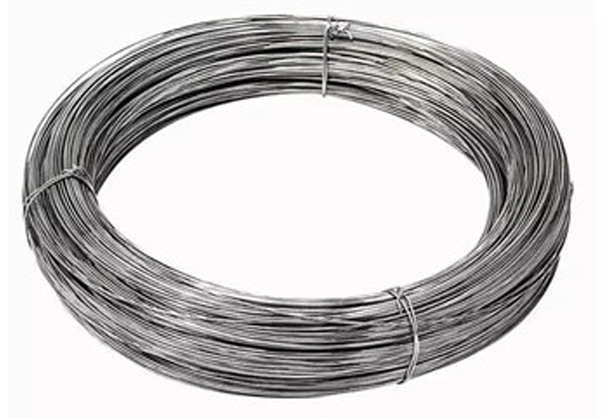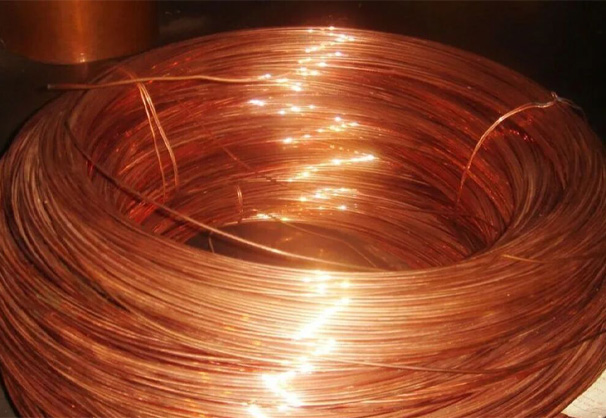
مفتول، عنصری اساسی در صنایع مختلف، از ساخت و ساز گرفته تا تولید لوازم خانگی است. انتخاب مفتول با کیفیت و قیمت مناسب، دغدغهای همیشگی برای فعالان در این حوزهها بوده است. صنایع مفتولی سینا با درک این نیاز، به عنوان تولیدکننده پیشرو در زمینه مفتول، مفتخر است که طیف گستردهای از مفتولها را با بهترین کیفیت و قیمت به مشتریان خود ارائه دهد.
صنایع مفتولی سینا با داشتن 2 کارخانه در تهران و گرمسار توانایی کیفیت بالا، قیمت مناسب، تنوع بالا و مشاوره تخصصی را به مشتریان خود ارائه میدهد. در ادامه به برسی بیشتر این موارد میپردازیم، با ما همراه باشید.
قیمت انواع مفتول تولیده شده در صنایع مفتولی سینا
انتخاب مفتول مناسب با نیاز شما، در گرو بررسی دقیق هزینه و ویژگیهای آن است. مفتول به عنوان یکی از مواد اولیه پرکاربرد در صنایع مختلف، تنوع و گستردگی زیادی دارد. از این رو، قیمت مفتول نیز به عوامل متعددی مانند نوع مفتول، ضخامت، جنس، برند و ... بستگی دارد.
صنایع مفتولی سینا با در نظر گرفتن این تنوع و نیازهای مشتریان، مفتول را در انواع مختلف و با قیمتهای رقابتی عرضه میکند. این مجموعه با تکیه بر دانش نوین و استفاده از بهترین مواد اولیه، کیفیت بالا و مناسبترین قیمت مفتول را تولید میکند.
عوامل تاثیرگذار بر قیمت مفتول تاثیر
همان طور که گفتیم، قیمت انواع مفتول متفاوت است و این هزینه نهایی میتواند بر اساس موارد مختلفی متغییر باشد، برخی از این نکات موثر بر قیمت مفتول شامل موارد زیر هستند:
- نوع مواد اولیه: مفتولها از مواد اولیه مختلفی مانند فولاد، مس، آلومینیوم و... تولید میشوند که هر کدامقیمت خاص خود را دارند.
- ابعاد و ضخامت مفتول: به طور طبیعی، مفتولهای با ضخامت و ابعاد بیشتر،هزینه بیشتری نیز دارند.
- نوع فرآیند تولید: روشهای مختلفی برای تولید مفتول وجود دارد که هر کدامقیمت تمام شده متفاوتی را به همراه دارند.
- میزان سفارش: معمولا برای سفارشات با حجم بالا، قیمت مفتول به صورت توافقی و با تخفیف ارائه میشوند.
- هزینههای جانبی: هزینههای حمل و نقل، انبارداری و... نیز برقیمت نهایی مفتول تاثیر میگذارند.
به طور کلی میتوان گفت، صنایع مفتولی سینا با در نظر گرفتن تمام این عوامل، همواره تلاش میکند تا مناسبترین قیمت مفتول با توجه به تولید کننده بودن و حذف واسطه، برای محصولات خود به مشتریان ارائه دهد.
ویژگیهای منحصر به فرد صنایع مفتولی سینا
اما چرا سینا مفتول؟ بدون شک این تیم و شرکت نه تنها در پی ارائه بهترین کیفیت در محصولات خود هستند، بلکه مزایای خاص خود را نیز دارند. برخی از این ویژگیها شامل این موارد است:
- امکان سفارش مفتول با مشخصات سفارشی: سینا مفتول با تکیه بر دانش فنی و تجربه خود، امکان تولید مفتول با ابعاد، ضخامت و جنس دلخواه مشتری را فراهم کرده است.
- ارسال محصول به سراسر ایران در سریع ترین زمان و با راننده اختصاصی: سینا مفتول با در اختیار داشتن ناوگان حمل و نقل اختصاصی، مفتولهای سفارش داده شده را در سریع ترین زمان ممکن به سراسر ایران ارسال میکند.
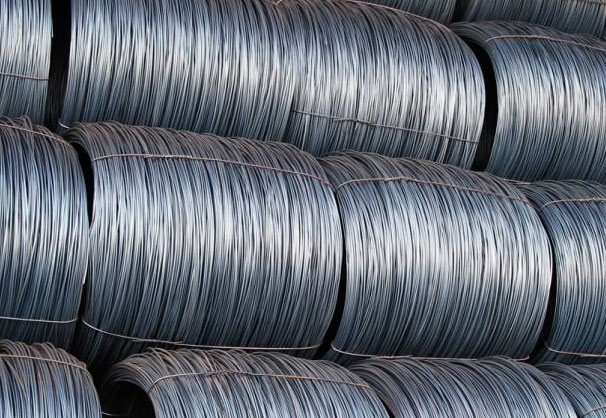
- تولید انواع مفتول به صورت کلاف و شاخه و در سایز های مختلف: سینا مفتول طیف وسیعی از مفتولها را در سایزها و اشکال مختلف تولید میکند تا نیازهای مختلف مشتریان را برآورده کند.
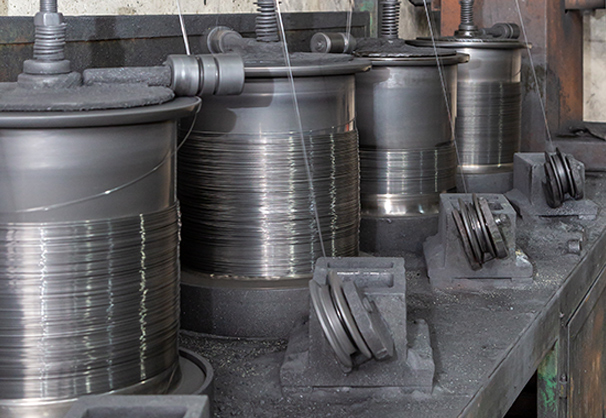
- تکیه بر دانش نوین و استفاده از بهترین مواد اولیه: سینا مفتول با استفاده از دانش نوین و بهترین مواد اولیه و حتی تولید برخی از مواد اولیه مانند پودر کشش، مفتولهایی با کیفیت بالا و مطابق با استانداردهای روز دنیا را تولید میکند.
- تولید و عرضه مفتول با بهترین و مناسب ترین قیمت: سینا مفتول با حذف واسطهها و عرضه مستقیم محصولات خود، مفتولها را بابهترین قیمت و به صورت مستقیم به مشتریان ارائه میدهد.
قیمت مفتول به چه عواملی بستگی دارد؟ خرید مفتول با بهترین کیفیت و قیمت از مفتول سینا
در نهایت به برسی قیمت انواع مفتول در مجموعه صنعتی سینا پرداختیم. صنایع مفتولی سینا با ارائه مفتولهای باکیفیت و قیمت مناسب، به عنوان یکی از مقرون به صرفهترین و قابل اعتمادترین انتخابها با توجه به تولید کننده بودن و دارا بودن 2 کارخانه در تهران و گرمسار در این صنعت شناخته میشود. این مجموعه با خدمات و امکانات متنوعی که ارائه میدهد، به شما کمک میکند تا مفتول مناسب با نیاز خود را انتخاب و در کوتاهترین زمان ممکن با بهترین کیفیت و قیمت دریافت کنید.
شما میتوانید با تماس با کارشناسان ما از راهنمایی و مواردی که نیاز به دانستن آن دارید اطلاع کاملی پیدا کنید.

| ردیف | نام | نوع | وزن بسته بندی | سایز مفتول | قیمت |
|---|---|---|---|---|---|
| 1 | مفتول آنیل شده | شاخه | 4 mm | 34,600 تماس بگیرید | |
| 2 | مفتول سیاه | کلاف | 15 کیلویی | 1.20 mm | 36,100 تماس بگیرید |
| 3 | مفتول سیاه | کلاف | 15 کیلویی | 1.50 mm | 34,800 تماس بگیرید |
| 4 | مفتول سیاه | کلاف | 15 کیلویی | 2.5 mm | 34,800 تماس بگیرید |
| 5 | مفتول سیاه | کلاف | 3 mm | 33,700 تماس بگیرید | |
| 6 | مفتول سیاه | کلاف | 4 mm | 33,700 تماس بگیرید | |
| 7 | مفتول سیاه | شاخه | 2.5 mm | 35,800 تماس بگیرید | |
| 8 | مفتول سیاه | شاخه | 3 mm | 34,600 تماس بگیرید | |
| 9 | مفتول سیاه | شاخه | 4 mm | 34,600 تماس بگیرید | |
| 10 | مفتول آنیل شده | کلاف | 15 کیلویی | mm 1.20 | 36,100 تماس بگیرید |
| 11 | مفتول آنیل شده | کلاف | 15 کیلویی | mm 1.50 | 34,800 تماس بگیرید |
| 12 | مفتول آنیل شده | کلاف | 15 کیلویی | 2.5 mm | 34,800 تماس بگیرید |
| 13 | مفتول آنیل شده | کلاف | سفارشی | 3 mm | 33,700 تماس بگیرید |
| 14 | مفتول آنیل شده | کلاف | سفارشی | 4 mm | 33,700 تماس بگیرید |
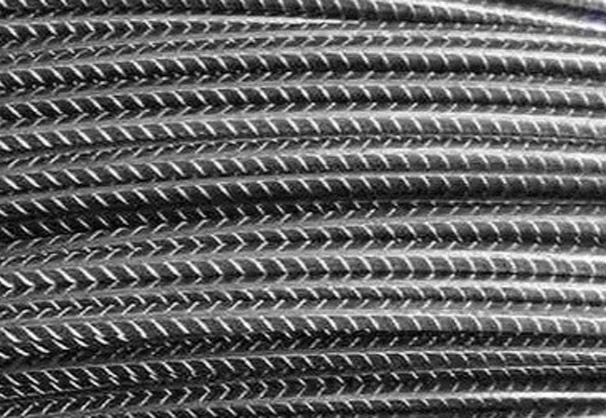
| 15 | مفتول آجدار | تماس بگیرید |